Turbo Upsizing Adds Hidden Bearing Repairs
You’ll see which bearing surfaces get hammered when a bigger turbo is slapped on a stock housing, and why the spec sheet never mentions it. Most DIY guides skip the oil‑flow math, leaving owners with costly rebuilds they didn’t budget for.
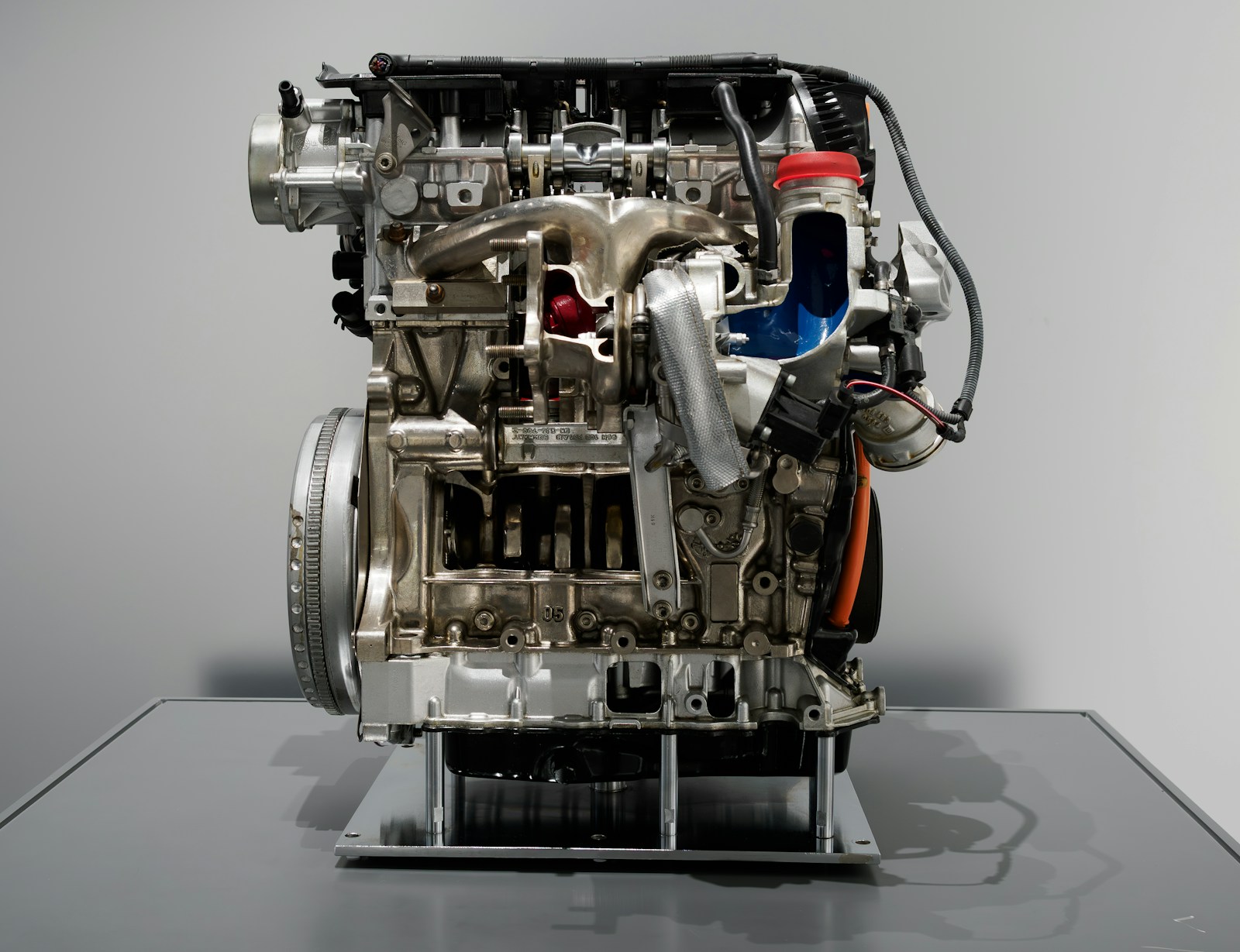
Slip a 78‑mm turbine onto a 65‑mm stock housing and the boost gauge jumps, but the bank account soon feels the ripple when the bearing cages start grinding. The hidden cost isn’t a louder exhaust note; it’s a set of microscopic scratches that force a rebuild before the warranty even expires. Most shop manuals gloss over the pressure spikes, treating the turbo like a plug‑and‑play upgrade. The warranty paperwork rarely mentions bearing fatigue, so the repair bill lands on you.
Does a Bigger Turbo Really Mean More Power or Faster Failure?
On paper, a 30 % larger turbine promises an extra 5–7 psi of boost at 2,500 rpm, but the boost controller rarely sees the torque spike that travels straight into the bearing journal. The moment the spool hits its peak, the thrust pushes the bearing outer race beyond the clearance the OEM stamped on the diagram.
OEM engineers sized the bearing cage for a specific mass flow; double that flow doubles the hydrodynamic pressure and halves the oil film thickness at the point where the turbine’s exhaust gases first bite. The result is a micro‑abrasion pattern that looks like a fine sandpaper swipe under a microscope, a pattern you’ll never see on a spec sheet.
How Does Oil Flow Morph When You Upscale the Turbine?
Upsizing the turbine forces the oil pump to race against a larger impeller, and the bypass valve opens earlier to keep pressure from spiking into the oil pan. That early bypass steals a portion of the spray that normally cushions the main journal, leaving the bearing to run on a thinner film during the first ten seconds of each boost event.
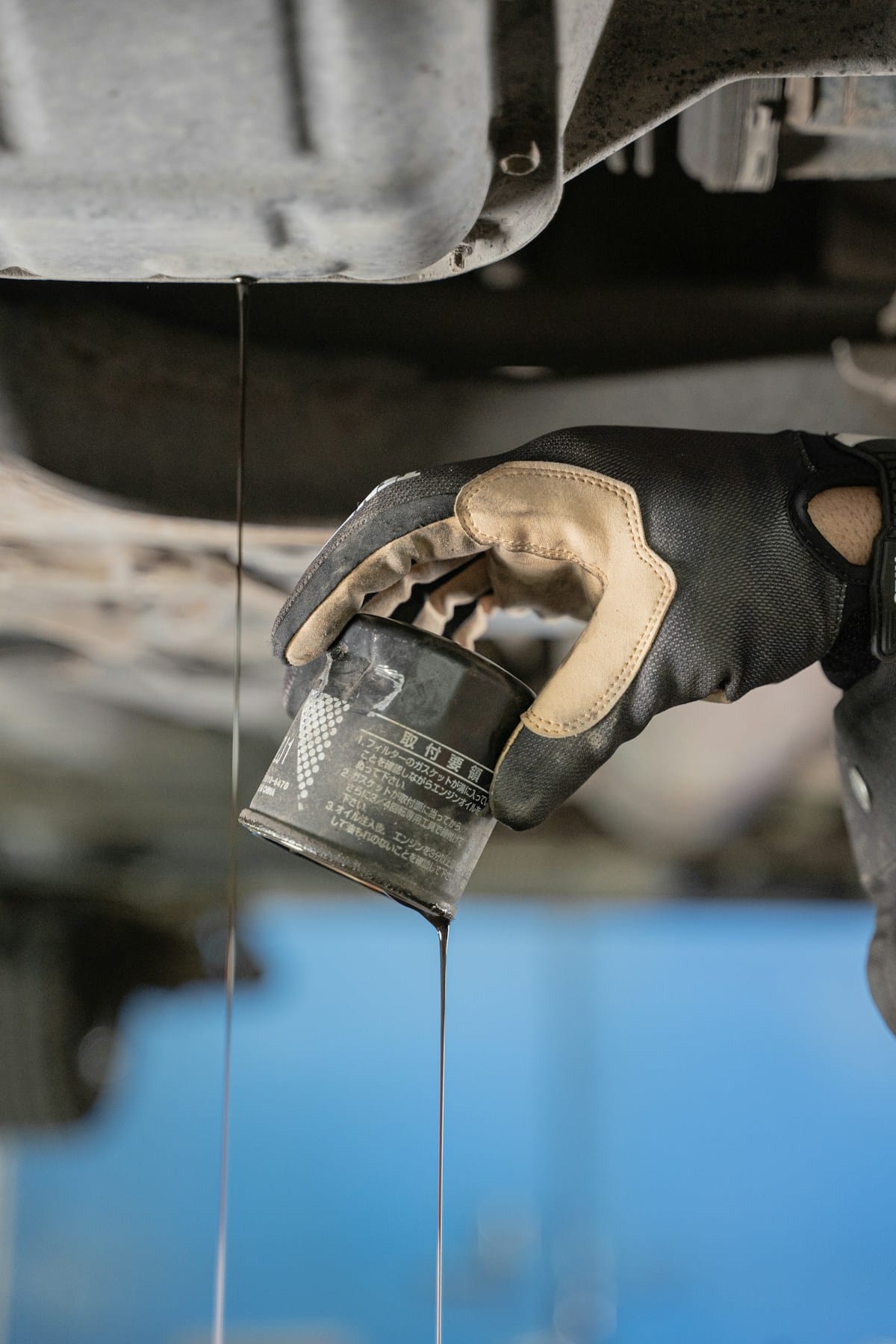
Because the bearing cage relies on a uniform oil curtain, any dip below the design‑minimum viscosity creates a hot spot that expands the raceway by a few thousandths of an inch—enough to change the load distribution from axial to radial, a shift that shows up later as uneven wear on the inner ring.
Which Bearing Surfaces Show the First Scars?
The outer race of the main bearing lights up first because it bears the full thrust from the turbo’s exhaust velocity, while the inner race still enjoys a relatively stable oil wedge. In a typical 6‑cylinder diesel, the outer race will develop a crescent‑shaped pitting that starts near the 12 o’clock position and migrates clockwise as the engine ages.
The secondary bearing, often called the thrust or gear bearing, accumulates a fine line of discoloration where the oil jet impinges directly on the race, a line that becomes a crack if the oil pressure ever dips below 30 psi during a cold start. This crack propagates faster than any heat‑related distortion because the metal fatigue accelerates each time the turbo spools up.
Can You Detect the Wear Before the Engine Falls Apart?
Listen for a high‑pitched whine that rises with boost and fades when you let off the throttle; that tone is the bearing cage vibrating against a thinning oil film, a symptom most shop manuals label as “turbo whine” and dismiss as normal. A quick oil‑temperature scan with a probe will show a 10–15 °F bump over baseline, a red flag that the bearing is working harder than it should.
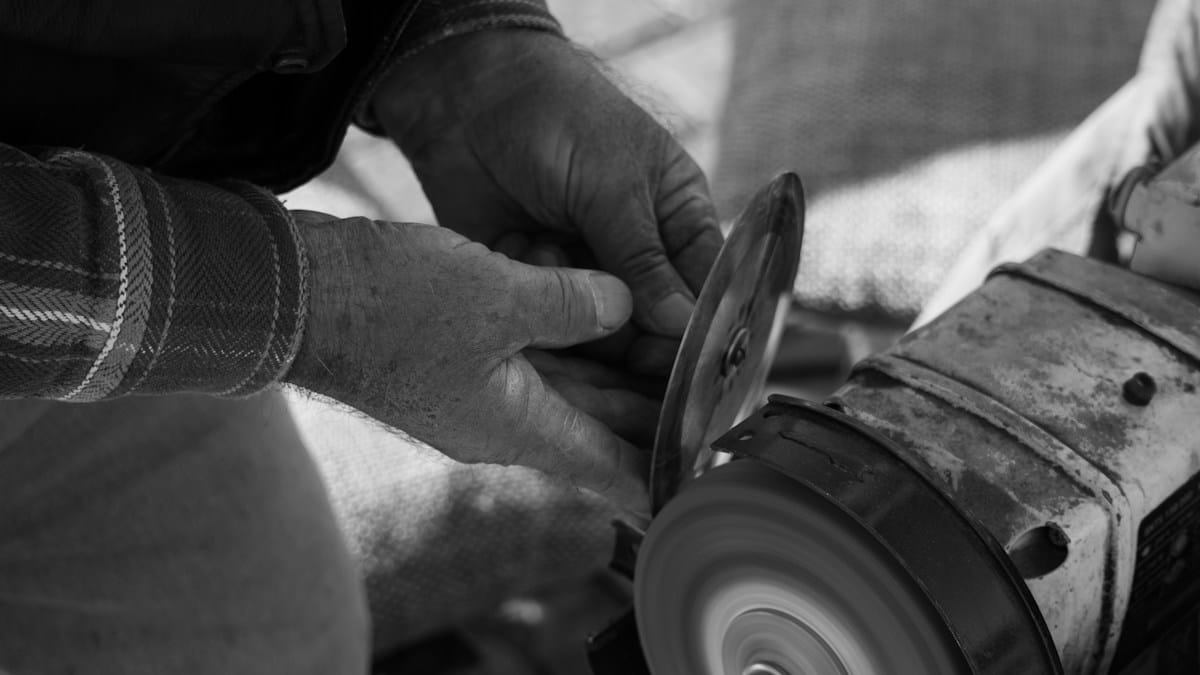
Pull the turbo and spin the shaft by hand; if you feel a gritty resistance between the 2 nd and 3 rd rotation, the inner race already has a scored groove that will soon turn into a full‑length seizure. A visual inspection of the bearing caps after a short road test can also reveal oil stains shaped like a teardrop, indicating that the oil isn’t reaching the far side of the cage.
Practical Steps to Shield Bearings (Cost Ranges Included)
First, upgrade the oil pump to a high‑flow unit rated for at least 1.5 times the stock capacity; a quality pump runs $300‑$600 plus labor, and it restores the film thickness that the bigger turbine steals away.
Second, install a billet bearing cage with an enlarged oil groove; the machining cost sits between $150 and $350, while the shop will charge another $200‑$400 to press it in, a price that pays off once the engine crosses the 80‑k‑mile mark.
Finally, schedule a bi‑annual oil analysis that includes particle‑size distribution; a lab report runs $80‑$150 and will flag the presence of iron filings before they embed into the raceway, letting you replace the bearing pre‑emptively instead of after a catastrophic failure.
What to Double‑Check Before You Sign Any Invoice
Confirm that the shop actually replaced the bearing caps and not just sprayed an additive; ask for a before‑and‑after photo of the raceway and a torque‑spec sheet stamped with the OEM part number.
Verify that the oil pump you paid for matches the flow rating promised in the estimate; a mismatched pump will undo every other precaution and leave you back at square one when the next boost spike arrives.
Keep reading
2017 Cummins ISX15 Tears Apart: 200k+ Miles, + Repairs
You’ll see which parts actually give out after two hundred thousand miles of service, and why typical spec sheets hide the costly reality. Most reviews focus on power charts and ignore the failure patterns that drive shop bills.